
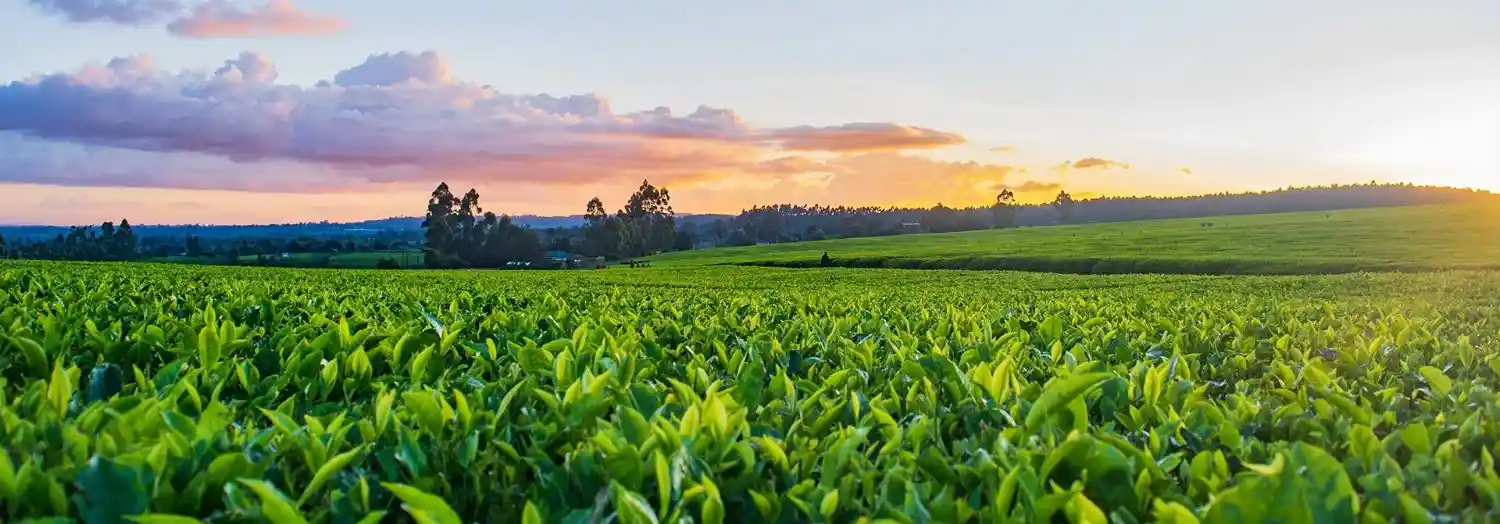
How to Build Strong Supply Chains for Fruit Exports

The global fruit export industry has grown rapidly in recent years, driven by rising demand for fresh and exotic produce across international markets. However, exporting fruits requires far more than simply producing and packing quality products. A strong and dependable supply chain is essential to maintain fruit freshness, reduce wastage, meet buyer expectations, and ensure timely deliveries. A single weak link can affect the quality of the final product, damage business relationships, and reduce profitability. This article explains how exporters can build a reliable and efficient supply chain for fruit exports while maintaining quality at every stage.
Understanding the Importance of a Strong Fruit Export Supply Chain
Fruit exports involve multiple stages, from harvesting to storage, transport, customs clearance, and delivery across borders. Unlike other goods, fruits are highly perishable and require careful handling to retain freshness, taste, aroma, and shelf life. A strong supply chain helps in:
• Reducing post-harvest losses
• Maintaining product quality throughout transit
• Ensuring compliance with safety and import standards
• Building trust with international buyers
• Improving profitability through efficient logistics
A well-managed supply chain becomes a competitive advantage for exporters who aim to build long-term partnerships in global markets.
Key Components of a Strong Fruit Export Supply Chain
To successfully export fruits, each element of the supply chain must be planned and controlled. The following components form the core of a robust export system.
1. Pre-Harvest Planning and Farm Management
A strong supply chain begins at the farm level. Export success depends on producing fruits that meet the quality, size, colour, and safety standards of the target market.
Key actions include:
• Choosing the right fruit variety suited for export
• Using best-practice cultivation techniques for pest and disease control
• Maintaining traceability and farm records
• Adopting global certifications such as GlobalGAP
Proper farm planning ensures consistent quality and reduces rejection at later stages.
2. Efficient Post-Harvest Handling
Once harvested, fruits begin to lose moisture and ripen. Poor post-harvest handling can lead to shrinkage, bruising, and quality loss.
Critical steps:
• Harvesting fruits at the correct maturity index
• Sorting and grading for uniformity
• Washing and sanitization for food safety
• Pre-cooling immediately after harvest to remove field heat
The faster the field heat is removed, the better the fruit retains its shelf life during transport.
3. Packaging that Protects and Preserves Quality
Packaging plays a major role in preserving freshness, preventing physical damage, and maintaining the fruit’s appearance during shipment. Each fruit type has specific packaging requirements.
Packaging considerations:
• Use ventilated, food-grade cartons for air circulation
• Maintain weight balance to prevent crushing during stacking
• Use cushioning materials to avoid bruising
• Ensure proper labelling with origin, grade, and traceability details
Some exporters may also use modified atmosphere packaging to extend shelf life for long-distance shipments.
4. Cold Chain Management from Farm to Destination
Maintaining the cold chain is the most critical aspect of fruit exports. The temperature must be controlled at every stage from farm, packhouse, transport, and port handling, to shipping and destination storage.
Best practices for cold chain:
• Use pre-cooling systems such as forced air cooling or hydro cooling
• Use reefer trucks for domestic transportation to ports
• Ensure correct temperature settings in reefer containers
• Minimise temperature fluctuation during loading and unloading
• Use data loggers to monitor temperature throughout shipment
Any break in the cold chain can reduce the fruit’s quality, cause premature ripening, and shorten shelf life.
5. Choosing the Right Logistics and Shipping Partners
Logistics partners play a key role in the seamless movement of fruits across borders. Exporters must select reliable partners that specialise in handling perishables.
Factors to consider:
• Experience in cold-chain logistics and reefer container management
• On-time delivery record and contingency support
• Access to major ports, shipping lines, and air cargo facilities
• Ability to provide real-time tracking
Air freight suits high-value or highly perishable fruits, while sea freight is cost-effective for longer shelf-life produce.
6. Meeting International Quality and Safety Standards
Different countries have specific import standards for fruits, including pesticide residue limits, packaging rules, and phytosanitary regulations.
Key certifications and documents:
• Phytosanitary certificate
• Certificate of Origin
• Food safety compliance certificates
• GlobalGAP or local GAP certifications
• Residue test reports
• Traceability documentation
Understanding and complying with these standards is essential to avoid rejection at destination ports.
7. Communication and Coordination with Buyers
Strong supply chains require seamless communication between exporters, buyers, and intermediaries. Clear understanding of buyer requirements ensures satisfaction and repeat orders.
Effective communication includes:
• Sharing shipment plans, harvest dates, and expected arrival times
• Updating buyers on any delays or challenges
• Agreeing on product specifications, price, and packaging standards
• Taking buyer feedback and implementing improvements
Consistent and transparent communication builds long-term trust.
Challenges in Building a Fruit Export Supply Chain and How to Address Them
Even the strongest supply chain faces external challenges such as weather disruptions, port delays, and rising freight costs. Exporters must be prepared for risks and create contingency plans.
Common challenges and solutions:
| Challenge | Solution |
|---|---|
| Fluctuating freight costs | Diversify logistics partners and book early |
| Temperature variations during transit | Use temperature recorders and strict loading protocols |
| Rejections due to quality or pesticide residues | Strong farm-level controls and regular residue testing |
| Lack of coordination among stakeholders | Use digital systems for supply chain communication |
Proactive planning helps exporters minimize losses and maintain product integrity.
Role of Technology in Strengthening Fruit Export Supply Chains
Technology has transformed how exporters manage traceability, quality, and logistics. Digital supply chain solutions now provide real-time visibility and quick decision-making support.
Useful technologies include:
• Temperature and humidity sensors for reefer containers
• GPS and tracking systems for logistics
• Farm management apps for traceability
• Automated grading and packing systems
• Blockchain for secure export records
Technology increases efficiency, accuracy, and transparency throughout the supply chain.
Building Long-Term Buyer Relationships through Supply Chain Strength
A strong supply chain is a foundation for long-term international business. Buyers prefer exporters who can deliver consistent quality and timely shipments without complaints. When exporters maintain high standards across multiple consignments, they earn trust, brand value, and better pricing.
Long-term relationships require:
• Consistent quality delivery
• Quick issue resolution
• Fair and transparent communication
• Investment in supply chain improvements
Strong supply chains lead to repeat buyers, premium orders, and higher profits.
Conclusion
Building a strong supply chain for fruit exports requires careful planning at every stage, from cultivation to transportation and delivery. Exporters who invest in quality control, cold-chain management, compliance, and communication develop a competitive edge in the global market. With growing demand for fresh fruits worldwide, the future belongs to exporters who can supply consistent, safe, and high-quality produce supported by a reliable and efficient supply chain.


