
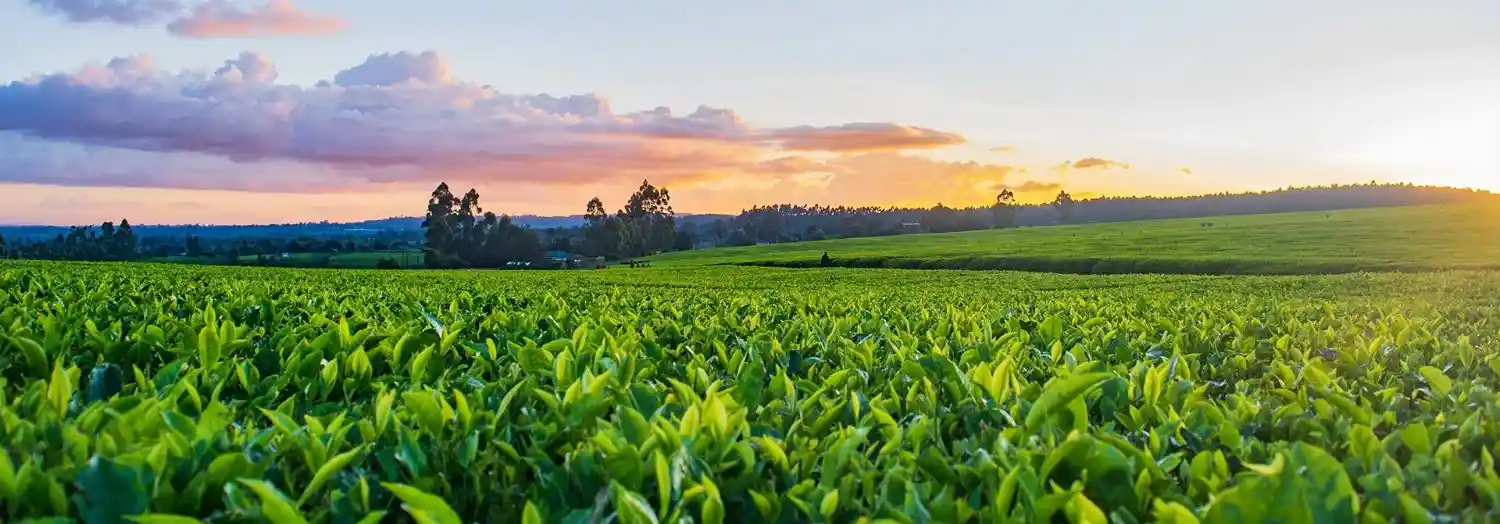
Sustainability Practices in Modern Onion Farming and Export

In today’s global agricultural landscape, sustainability has become more than a trend — it’s a necessity. Onion farming and export, one of India’s most significant agribusiness sectors, are increasingly embracing eco-friendly practices to ensure long-term productivity and environmental balance. As international demand for Indian onions grows, exporters and farmers are working together to make the process more sustainable from seed to shipment. This blog explores the sustainable practices transforming modern onion farming and export operations worldwide.
Understanding the Need for Sustainability in Onion Farming
Onion cultivation requires extensive land, water, and energy resources. However, with growing environmental challenges like soil degradation, water scarcity, and climate change, sustainable methods are essential for preserving these resources. Adopting eco-friendly techniques helps farmers:
-
Improve soil fertility and productivity
-
Reduce input costs
-
Enhance crop resilience
-
Meet international environmental standards for export
Sustainability not only protects the environment but also strengthens the global competitiveness of onion exporters.
Key Sustainable Practices in Modern Onion Farming
1. Efficient Water Management
Water is one of the most critical resources in onion cultivation. Farmers are now turning to modern irrigation systems to reduce water wastage.
a. Drip Irrigation
Drip irrigation delivers water directly to the plant roots, minimizing evaporation losses. It ensures uniform water distribution and improves crop yield while saving up to 40–60% of water compared to traditional flood irrigation.
b. Rainwater Harvesting
Collecting and storing rainwater in on-farm reservoirs allows farmers to irrigate fields during dry periods without depending entirely on groundwater sources.
c. Soil Moisture Sensors
Smart soil moisture sensors help monitor water levels in real time, ensuring that crops receive adequate hydration without excess irrigation.
2. Soil Health Management
Healthy soil is the foundation of sustainable onion production. Overuse of chemical fertilizers and pesticides can degrade soil structure and fertility. To counter this, farmers are adopting organic and regenerative soil management practices.
a. Organic Manure and Compost
Using compost, green manure, and cow dung enriches the soil with natural nutrients and improves its texture.
b. Crop Rotation
Rotating onions with legumes or cereals helps maintain soil fertility and prevents the buildup of pests and diseases.
c. Reduced Chemical Usage
Many farms are shifting to bio-fertilizers and biopesticides, which are safer for the environment and enhance long-term soil health.
3. Use of Renewable Energy
The adoption of renewable energy sources is growing in modern onion farms.
a. Solar-Powered Pumps
Solar irrigation systems reduce dependence on diesel and electricity, cutting operational costs and carbon emissions.
b. Wind Energy for Storage Facilities
Some export-oriented farms are experimenting with small wind turbines to power cold storage units, making post-harvest management more sustainable.
4. Eco-Friendly Pest and Disease Control
Pests such as thrips and onion flies can severely affect yield. Instead of relying solely on chemical pesticides, sustainable farms are using integrated pest management (IPM) techniques.
a. Biological Control
Releasing beneficial insects like ladybugs helps control pest populations naturally.
b. Trap Cropping
Growing trap crops like marigold around onion fields diverts pests away from the main crop.
c. Neem-Based Sprays
Neem oil is a natural pesticide widely used for onion crops, offering effective pest control without harming beneficial organisms.
5. Sustainable Seed Selection
High-yielding and climate-resilient seed varieties are essential for reducing resource consumption. Research institutions and seed companies are developing onion seeds that:
-
Require less water
-
Mature faster
-
Resist common diseases
-
Adapt to changing climatic conditions
These improved varieties reduce the environmental footprint and increase export consistency.
6. Minimizing Post-Harvest Losses
A large part of sustainability in onion farming involves minimizing wastage during storage and transport.
a. Improved Storage Facilities
Modern warehouses and ventilated storage systems prevent sprouting, rotting, and moisture accumulation.
b. Cold Chain Logistics
Using temperature-controlled logistics ensures onions stay fresh longer, reducing losses during export transit.
c. Grading and Sorting
Automated grading systems help segregate onions based on size and quality, ensuring that only export-grade produce is shipped while the rest is utilized domestically.
Sustainable Practices in Onion Export
1. Eco-Friendly Packaging
To meet global sustainability standards, exporters are replacing traditional plastic packaging with biodegradable mesh bags or jute sacks. These materials are reusable, breathable, and environmentally safe, helping reduce plastic waste.
2. Energy-Efficient Transportation
Exporters are collaborating with logistics companies that use energy-efficient vessels and vehicles to reduce carbon emissions. Route optimization and container consolidation further cut fuel usage.
3. Compliance with International Standards
Many importing countries, such as the UAE, Singapore, and the EU, emphasize sustainability. Indian exporters comply with certifications such as:
-
Global GAP (Good Agricultural Practices)
-
ISO 14001 (Environmental Management System)
-
Organic Certification
These certifications not only ensure environmental responsibility but also improve the global reputation of Indian onions.
4. Traceability and Transparency
Digital tools like blockchain-based traceability systems enable buyers to track the product’s journey from the farm to the export port. This transparency reassures international buyers about the sustainable origin and handling of the produce.
5. Reducing Carbon Footprint
Exporters are increasingly measuring and offsetting their carbon emissions. Many are investing in tree plantation drives and renewable energy projects to balance out the carbon impact of transportation and logistics.
Economic Benefits of Sustainable Onion Farming
Sustainability is not just about the environment — it’s also about profitability. By adopting sustainable methods, onion farmers and exporters can:
-
Lower input costs through reduced chemical and water use
-
Command higher prices for eco-certified produce
-
Access premium international markets
-
Build long-term business relationships with environmentally conscious buyers
Sustainable farming creates a win-win situation for both producers and the planet.
The Role of Technology in Driving Sustainability
Technological innovation is revolutionizing sustainable onion farming.
-
IoT-based monitoring systems track temperature, humidity, and soil conditions.
-
AI-driven analytics help predict pest outbreaks and optimize irrigation schedules.
-
Drones are used for precision spraying and crop mapping, reducing resource waste.
These advancements allow farmers to make data-driven decisions that enhance efficiency and sustainability.
Government and Institutional Support
The Indian government, along with agencies like APEDA and the National Horticulture Board (NHB), is promoting sustainable onion farming through:
-
Subsidies for solar-powered irrigation systems
-
Training programs on organic farming techniques
-
Support for cold storage infrastructure
-
Incentives for Global GAP certification
This support encourages more farmers to adopt sustainable practices, aligning India’s onion export industry with global environmental goals.
Future of Sustainable Onion Exports
With growing global awareness about food sustainability, demand for eco-friendly agricultural products will continue to rise. Indian onion exporters who integrate sustainability into their operations will enjoy a competitive edge. The future of onion farming lies in balancing productivity with planet-friendly practices, ensuring that both farmers and ecosystems thrive.
Conclusion
Sustainability in onion farming and export is not just a responsibility but an opportunity to create a resilient, eco-conscious agricultural system. From smart irrigation and organic soil management to green logistics and eco-packaging, every sustainable step contributes to a better future. As global consumers increasingly prefer responsibly sourced products, India’s commitment to sustainable onion farming will strengthen its position as a world leader in agricultural exports.


