
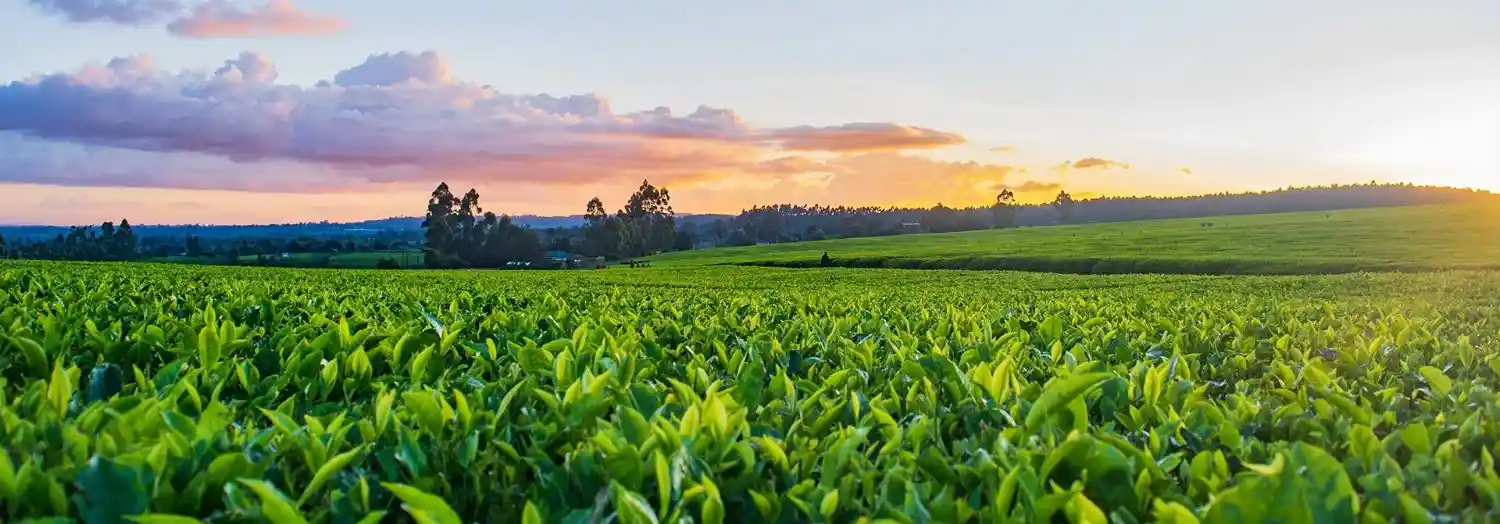
The Export Process: From Indian Farm to Gulf Buyer

India’s agriculture sector is one of the most dynamic in the world, producing a vast range of fruits, vegetables, and spices that are exported globally. Among its many trade partners, the Gulf countries — particularly the UAE, Oman, and Qatar — remain some of the largest importers of Indian agricultural produce. The journey of fresh produce, such as bananas, green chilies, and drumsticks, from Indian farms to Gulf markets involves careful planning, strict quality control, and compliance with international export standards.
In this blog, we’ll take a detailed look at how the export process works — from cultivation and procurement in India to delivery at Gulf destinations — and how exporters like Sundar Bharat Exim ensure freshness, quality, and reliability every step of the way.
Understanding the Demand for Indian Produce in Gulf Markets
The Gulf region has a high demand for fresh fruits and vegetables throughout the year. Due to limited local agriculture caused by arid climates and water scarcity, countries like the UAE, Oman, and Qatar rely heavily on imports from India.
India’s proximity, cost-effectiveness, and year-round harvest cycles make it the preferred source for products such as:
-
Bananas (G9 Cavendish variety)
-
Green chilies
-
Drumsticks (Moringa pods)
-
Mangoes, pomegranates, and okra
Moreover, the large Indian and South Asian diaspora in the Gulf ensures steady demand for traditional produce that matches their cultural and culinary preferences.
Step 1: Farm Selection and Crop Cultivation
The export process begins at the source — the farms. Exporters collaborate with registered and certified farmers who follow global agricultural practices to produce export-grade crops.
Key Farming Practices for Export-Quality Produce
-
Soil Testing and Crop Planning: Before cultivation, the soil is tested for nutrients and contaminants to ensure it is suitable for the specific crop.
-
Use of Certified Seeds: Only high-yield, disease-resistant seed varieties approved by agricultural boards are used.
-
Minimal Pesticide Use: Export crops must comply with Maximum Residue Limits (MRL) standards to meet import requirements in Gulf nations.
-
Organic and Sustainable Farming: Many exporters encourage the use of organic fertilizers and drip irrigation systems to improve sustainability and meet growing international demand for chemical-free produce.
Exporters like Sundar Bharat Exim maintain long-term partnerships with farmers to ensure consistency in quality and traceability.
Step 2: Harvesting and Primary Handling
Timing is everything when it comes to harvesting export crops. The harvest stage is carefully planned based on shipment schedules to minimize delays and preserve freshness.
Key Steps in Harvesting and Handling
-
Optimal Maturity Harvesting: Fruits and vegetables are harvested at the perfect stage — mature but not overripe — to endure long-distance shipping.
-
Sorting and Pre-Cooling: Immediately after harvest, the produce is sorted by size, color, and quality. It is then pre-cooled to remove field heat, preventing microbial growth.
-
Hygienic Handling: Workers use sanitized tools and gloves to reduce contamination risks. Proper handling ensures the produce remains export-grade from farm to container.
Step 3: Grading, Sorting, and Packaging
Once harvested, the produce moves to pack houses or processing centers equipped with grading and packaging facilities.
Grading and Quality Check
Each batch is graded based on size, weight, texture, and color uniformity. Exporters conduct visual and instrumental checks to ensure there are no blemishes or deformities.
Packaging Standards
Proper packaging plays a crucial role in protecting the produce during transit. Indian exporters use:
-
Corrugated fiberboard boxes (5–13 kg) with ventilation holes
-
Food-grade liners and cushioning to retain moisture and prevent damage
-
Temperature labels and barcodes for tracking and quality verification
Exporters also ensure compliance with destination-country labeling requirements, including details like origin, packing date, and exporter registration codes.
Step 4: Phytosanitary and Quality Certifications
Before shipment, exporters must obtain mandatory certifications to meet international trade and phytosanitary standards.
Important Certificates for Export
-
Phytosanitary Certificate: Issued by India’s Plant Quarantine Authority, confirming the produce is pest- and disease-free.
-
APEDA Registration: Exporters must be registered under the Agricultural and Processed Food Products Export Development Authority (APEDA) to qualify for agricultural exports.
-
FSSAI License: Ensures compliance with India’s food safety regulations.
-
Global GAP Certification: Demonstrates adherence to good agricultural practices for international buyers.
-
Certificate of Origin: Confirms that the products are genuinely grown and packed in India.
These certifications give Gulf importers confidence in the product’s quality, hygiene, and compliance with local food safety standards.
Step 5: Cold Chain Management and Logistics
Maintaining freshness from farm to destination requires an efficient cold chain system — a series of temperature-controlled storage and transport steps.
Temperature-Controlled Supply Chain
-
Cold Storage: After packaging, produce is stored in refrigerated warehouses (at 12–14°C for bananas, 5–8°C for chilies, and 8–10°C for drumsticks).
-
Reefer Containers: The produce is loaded into refrigerated containers (reefers) equipped with humidity and temperature sensors.
-
Continuous Monitoring: Exporters monitor shipment conditions throughout transit to prevent spoilage or quality degradation.
Transportation and Ports
Exporters use major Indian ports like Nhava Sheva (Mumbai), Chennai, and Cochin, which have dedicated cold storage infrastructure. Shipments typically reach Dubai’s Jebel Ali Port, Muscat, or Doha within a few days, ensuring freshness on arrival.
Step 6: Customs Clearance and Documentation
Export documentation is a critical part of the process to ensure smooth customs clearance in both India and the destination country.
Essential Export Documents
-
Commercial Invoice and Packing List
-
Bill of Lading / Airway Bill
-
Phytosanitary and FSSAI Certificates
-
Certificate of Origin
-
Export Declaration Forms (as per DGFT norms)
Once all documents are verified, customs authorities issue clearance for shipment. Gulf importers must also have valid import licenses and meet their country’s Gulf Standards Organization (GSO) requirements.
Step 7: Delivery to Gulf Buyers and Distribution
After reaching Gulf ports, the produce undergoes inspection by local authorities, who verify compliance with their safety and quality regulations. Once approved, the shipment is distributed to:
-
Wholesale markets and supermarkets
-
Restaurants and hotels
-
Retail chains catering to South Asian communities
Reliable exporters like Sundar Bharat Exim often have local logistics partners in Gulf countries to ensure last-mile delivery and maintain the cold chain until the products reach store shelves.
Quality Assurance and Buyer Relationships
In international trade, maintaining long-term buyer relationships depends on consistent quality, transparent communication, and timely delivery. Indian exporters achieve this through:
-
Regular quality audits and third-party inspections
-
Digital tracking of shipments and supply chain transparency
-
Customized packaging and branding for Gulf retailers
Buyers in the Gulf prefer exporters who can deliver fresh, residue-free, and visually appealing produce that meets their customers’ expectations.
Challenges in the Export Process
Despite the growing export potential, exporters face challenges such as:
-
Temperature fluctuations during transit
-
High freight costs and limited reefer availability
-
Compliance with changing Gulf import regulations
-
Perishable nature of agricultural products
However, with the adoption of modern logistics systems, smart packaging, and government support through APEDA and DGFT schemes, these challenges are being effectively managed.
How Sundar Bharat Exim Ensures Smooth Exports
Sundar Bharat Exim, a trusted Indian exporter of fresh fruits and vegetables, follows a farm-to-port integrated approach that ensures maximum freshness and quality.
The company’s strengths include:
-
Direct procurement from certified farmers
-
In-house sorting, grading, and packaging facilities
-
Cold chain and temperature-controlled logistics
-
APEDA, FSSAI, and Phytosanitary certifications for every shipment
-
Strategic partnerships with Gulf distributors and importers
By combining technology, expertise, and sustainable practices, Sundar Bharat Exim ensures that Indian produce reaches Gulf buyers in the freshest condition possible, strengthening India’s position as a trusted agricultural exporter.
Conclusion
The export process from Indian farms to Gulf buyers is a seamless yet highly regulated journey involving precision, certification, and care at every stage. From selecting the right farms and maintaining post-harvest hygiene to adhering to cold chain logistics and documentation, each step determines the final quality that reaches the end consumer.
As Gulf countries continue to rely on Indian agricultural exports, the role of reliable exporters like Sundar Bharat Exim becomes even more crucial in ensuring India’s reputation for excellence in global fresh produce trade.


