
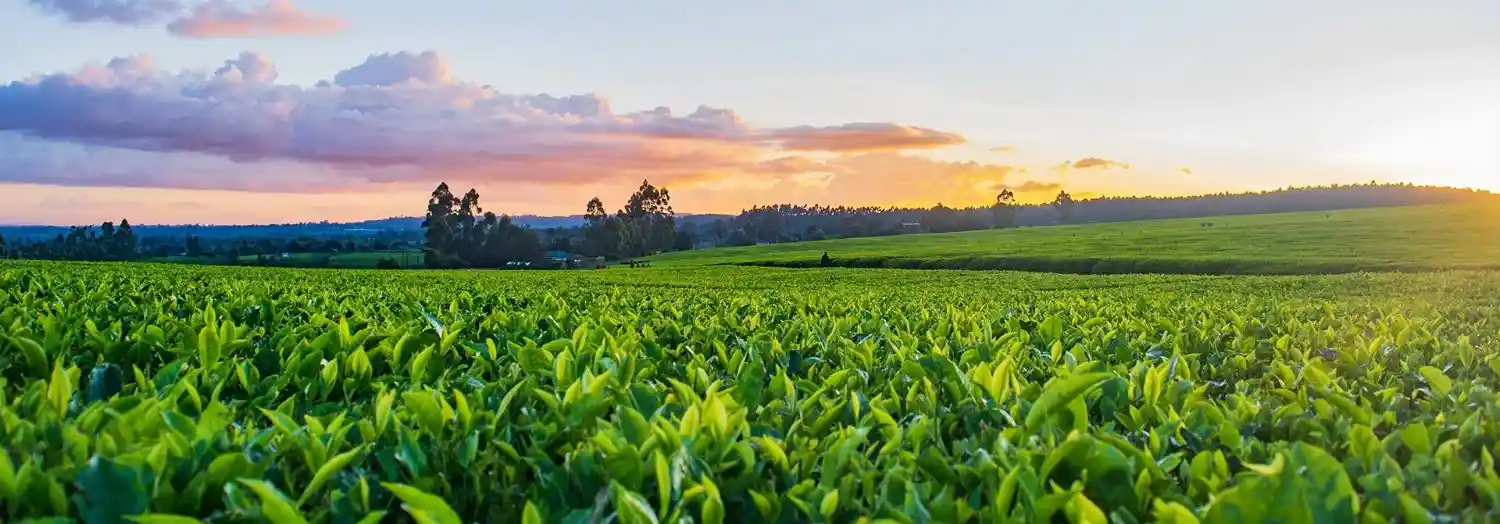
The Role of Indian Farmers in Supplying Premium G4 Chilly for Export

India is one of the world’s leading producers and exporters of green chillies, and among the various varieties cultivated, G4 green chilly holds a special place in international markets. Known for its vibrant color, consistent size, and strong pungency, G4 chillies are highly demanded in Gulf countries like the UAE, Saudi Arabia, Oman, and Qatar. Behind this global success lies the hard work and innovation of Indian farmers who ensure that only the finest quality produce reaches export markets.
Understanding the Importance of G4 Green Chilly in Export Markets
What Makes G4 Chilly Special?
The G4 variety of green chilly is renowned for its bright green color, medium to high pungency, and long shelf life. Its appealing appearance and freshness make it a favorite among international buyers, especially in the Middle East where chillies are a key ingredient in many dishes.
Demand from Gulf Countries
Gulf markets import thousands of tons of Indian green chillies every year. The G4 variety dominates due to its strong aroma and flavor. Importers in the UAE and Saudi Arabia prefer Indian G4 chillies because they maintain their freshness during transit and arrive in excellent condition when proper packaging and cold chain logistics are maintained.
How Indian Farmers Contribute to G4 Chilly Export Success
1. Selection of High-Quality Seeds
The journey of premium G4 green chillies begins at the seed selection stage. Indian farmers use certified G4 hybrid seeds that are bred for better yield, uniformity, and disease resistance. This ensures consistency in quality — an essential factor for international trade.
2. Adoption of Modern Farming Techniques
Farmers across major producing states like Andhra Pradesh, Karnataka, Tamil Nadu, and Maharashtra have embraced modern agricultural practices such as:
-
Drip irrigation to ensure water efficiency.
-
Mulching to retain soil moisture and control weeds.
-
Organic fertilizers to maintain soil fertility.
-
Integrated pest management (IPM) to reduce chemical residues.
These advanced methods improve productivity and ensure that chillies meet global export standards.
3. Climate and Soil Suitability
The tropical and subtropical climate of India provides ideal conditions for G4 chilly cultivation. Fertile soil with proper drainage and moderate humidity enhances the crop’s flavor and color. Farmers skillfully manage planting cycles to ensure year-round availability for export.
4. Quality Control During Harvesting
Farmers play a crucial role in maintaining export quality through timely harvesting. G4 chillies are picked when they achieve full maturity and desired pungency levels. This timing ensures the chillies retain their texture and vibrant color even after transportation.
5. Sorting and Grading Practices
After harvesting, farmers carefully sort and grade the chillies based on size, color, and freshness. Only uniform and defect-free chillies are selected for export. This attention to detail helps exporters maintain their reputation for quality and consistency in foreign markets.
Post-Harvest Handling and Farmer Involvement
1. Pre-Cooling and Storage
To preserve freshness, farmers collaborate with exporters to use pre-cooling facilities immediately after harvest. This step slows down the deterioration process and extends the shelf life of the product.
2. Proper Handling to Avoid Damage
G4 green chillies are delicate, and even minor bruises can affect quality. Farmers are trained in gentle handling and use plastic crates or ventilated boxes to avoid mechanical damage during collection and transport.
3. Collaboration with Export Houses
Many Indian farmers work closely with export companies or cooperatives that provide them with technical support, quality testing, and direct access to foreign buyers. This partnership ensures that farmers get fair prices while maintaining consistent export supply.
Role of Farmer Training and Government Support
1. Training in Good Agricultural Practices (GAP)
Government bodies like APEDA (Agricultural and Processed Food Products Export Development Authority) conduct regular training sessions to educate farmers about global quality standards, pesticide use regulations, and export documentation.
2. Subsidies and Financial Assistance
The government also provides financial incentives for installing irrigation systems, cold storage units, and greenhouse setups, which help farmers improve productivity and quality.
3. Farmer Producer Organizations (FPOs)
Through FPOs, small and medium-scale farmers unite to share resources, improve bargaining power, and collectively supply export-quality chillies. This structure enhances their income and ensures steady supply for international demand.
Ensuring Sustainability in G4 Chilly Farming
1. Eco-Friendly Cultivation Methods
Farmers are increasingly adopting sustainable farming techniques that minimize chemical inputs and promote soil health. The use of bio-fertilizers, natural pest repellents, and organic compost ensures an environmentally friendly production cycle.
2. Efficient Water Management
With water scarcity becoming a concern in many regions, farmers have turned to drip and sprinkler irrigation systems, reducing water consumption while maintaining high yields.
3. Crop Rotation Practices
Rotating G4 chillies with other crops like tomatoes or brinjal helps maintain soil fertility and prevent pest buildup, contributing to long-term sustainability.
Exporter-Farmer Coordination for Quality Assurance
1. Contract Farming
Exporters often engage in contract farming agreements with local farmers to ensure consistent quality and quantity of G4 chillies. This provides farmers with a guaranteed market and fair prices while enabling exporters to meet international buyer requirements.
2. Quality Testing and Certification
Before export, chillies undergo laboratory testing to ensure they are free from harmful pesticide residues. Certificates like Phytosanitary and Global GAP are mandatory for international shipments.
3. Traceability Systems
With digital tools and farm management software, exporters can now track each batch of chillies back to the farm it came from. This traceability builds transparency and trust among foreign buyers.
Challenges Faced by Farmers in Supplying G4 Chillies
1. Price Volatility
Fluctuating market prices can affect farmer income, especially when export demand drops or transportation costs rise.
2. Pest and Disease Management
Despite modern practices, occasional pest outbreaks can reduce yield and affect quality.
3. Post-Harvest Losses
Lack of adequate cold storage or delays in transportation can lead to post-harvest losses, affecting both farmers and exporters.
Future Outlook for Indian G4 Chilly Farmers
As the demand for premium-quality green chillies continues to rise in Gulf countries and beyond, Indian farmers stand at the forefront of the export value chain. By adopting advanced technology, following international standards, and strengthening collaboration with exporters, farmers can further enhance their global competitiveness.
Conclusion
The success of India’s G4 green chilly exports is built upon the dedication, skill, and innovation of Indian farmers. From selecting high-quality seeds to implementing sustainable farming and ensuring flawless post-harvest handling, their role is crucial in maintaining India’s reputation as a leading supplier of fresh and premium produce. As global consumers seek fresher and safer food products, Indian farmers continue to be the backbone of the thriving export market for G4 green chillies.


